A Spotlight on Pittsburgh -- Discover What Makes Downtown a Unique Place to Explore
By Harriet Frapier
ITWPA Member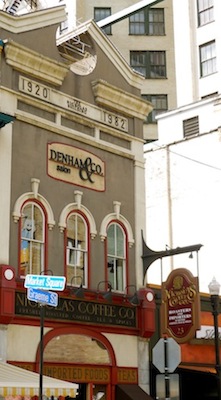 It’s 2 p.m., the sun is shining at full blaze, and I’m ready for a rest. Sitting by the market I look across the square to its grand skyscrapers hovering above -- the scene is intriguing. To the left elderly men challenge each other to a game of chess. On the right a clown draws a crowd of kids with his juggling. Everywhere people sit soaking up the sun, reading books, and chatting to friends.
I can’t believe this is not Europe. Maybe it’s the glass replica of London’s Houses of Parliament or the stillness of Market Square or the many people out and about on foot that makes downtown Pittsburgh stand out. Business brought me here but the city’s charm will bring me back.
Market Square is the central meeting place and situated in the heart of downtown, which is also known as The Golden Triangle. A major development program transformed the area into a pulsating business district. “The city has changed a lot in the last six years. It used to be a steel city; it was dirty but now it’s turned into a place loved by the locals,” says Lulu, the barista at Nicholas Coffee Company. The smell of freshly ground coffee lured me here from my place of rest.
With coffee in hand Lulu leads me on a tour of the in-house roastery. Since 1919 the Nicholas family has served freshly-roasted whole bean coffee to discerning customers. The number of coffee varieties is overwhelming. They cover the walls of the dimly-lit shop and the smells of 30 flavors compete for business. From Amaretto to Peaches & Crème, coffee lovers will succeed at finding “the one.”
Pittsburgh has much more to offer than the average business district. There is a free audio-guided tour that shows you just that (download from www.visitpittsburgh.com). Learn about the history of the city’s skyscrapers and important figures such as Andrew Carnegie and Henry Clay Frick, and discover treasures that will make any architect’s heart skip a beat. One such diamond is the Union Trust Building on Grant Street. Built in the Flemish-Gothic style, it boasts a flamboyant lobby.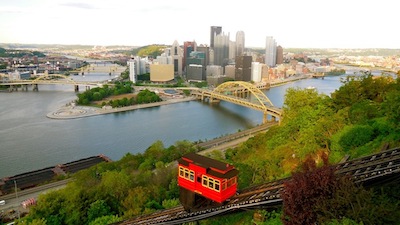 In contrast to the city, the natural boundaries of the Allegheny and Monongahela Rivers create the downtown “triangle.” Point State Park marks the tip of it. Here the meeting of both rivers forms the Ohio River. Skyscrapers behind you, your view extends far beyond the riverbanks to the lush green hillsides of Pittsburgh. Here you can breathe, relax, and hear the rivers’ rushing waters pass beside you.
To get an equally impressive view from a bird’s perspective take the Duquesne Incline up Mt. Washington -- in operation since 1877. For a mere $5 the bright red cable car takes you up in five minutes. Passing through the museum-like station you step onto the observation deck. It unfolds a cityscape view of countless yellow iron bridges and high-rising skyscrapers -- a perfect contrast to the natural flow of the three rivers. In 2009 USA Today voted this scene from above as “One of the Top Ten sites in the world for viewing a cityscape,” and rightly so.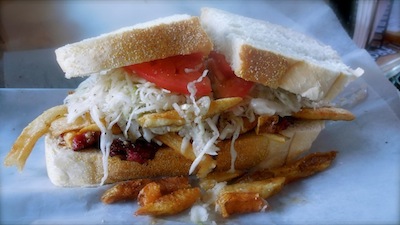 Back at Market Square, at Primanti Brothers, this time the realization kicks in that this is America. Where else could you find a ham and cheese sandwich filled with coleslaw and chips while slurping a bottomless Diet Coke? I’ve seen enough of downtown to wish I had more time to discover all of Andy Warhol’s hometown -- including the Strip District with its ethnic culinary melting pot and Southside’s nightlife scene. The city caught my attention and I will return someday soon.
If you would like to purchase this article for your publication, please click here to contact the author directly.
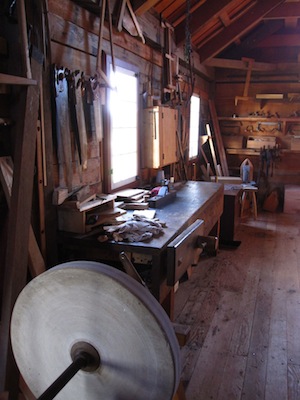
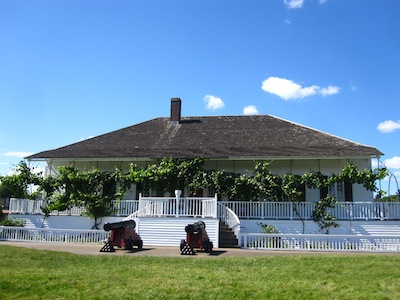 Ting! Ting! Ting! It’s hot and dark. Hard to breathe. The enormous fire illuminates the blacksmith’s concentrated, sweating brow. He hammers a red-hot piece of iron into a new pot hook for the kitchen. The other blacksmith tugs at a lever to operate the billows -- which is about the size of a refrigerator, if there had been such things as refrigerators -- and the fire roars.
 Outside the stockade, it’s 2013. This is now Washington State. Oregon became its own state, just across the nearby Columbia River. And the original Vancouverites, upset at the new U.S. border and all that it entailed, packed up and headed north to start a new Vancouver.
 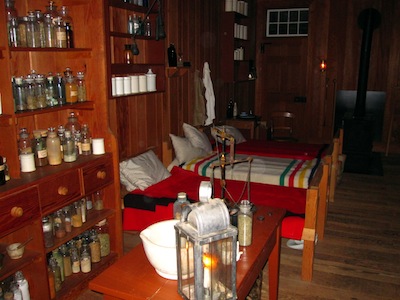 Tool around in the Woodshop. Double-check the books at the Counting House. Go to Jail. See what’s in all those little glass bottles in the Infirmary.
 Before you leave the early 19th century, head over to the turret at the northwest corner of the Fort. It’s not always open, but if it is, you can take the stairs to the second level and peer out in every direction at the brave new world beyond. Your world.
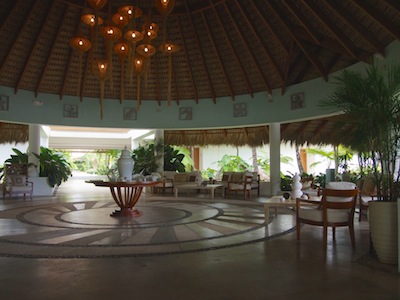 A rotund lobby with an intricate mosaic stone floor makes for an impressive entrance to Sublime Samana Hotel & Residence, a two-story, horseshoe-shaped building with palm trees, exotic shrubs, and flowering plants scattered along a well-watered lawn from which a paved pathway leads to a private beach two hundred yards away.
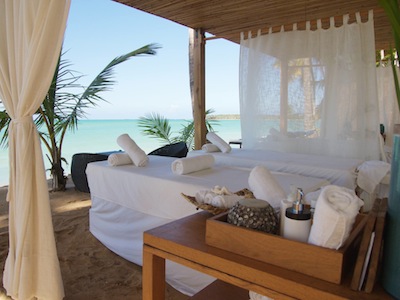 After an enjoyable massage under the fluttering curtains of a canopy, I was delighted to be handed chilled milk straight from a coconut.
 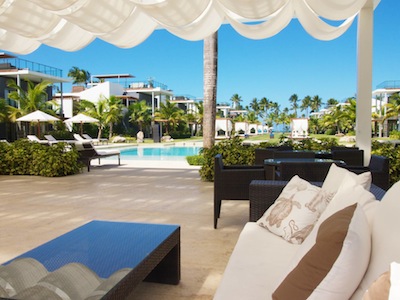 Breakfast can be taken either in the Bistro restaurant on the ground floor beside the lawn or, more interestingly, adjacent to it, outside, on a small terrace shaded from the sun by white curtains and large exotic plants. The menu is a balanced one, including healthy options of fruit, yogurt, and cereal as well as more substantial items such as pancakes, ham, cheeses, omelets, breads, and pastries. Two of the hot choices represent classic local flavor: Mangu of Samana, a traditional dish of mashed, boiled plantain served with fried eggs, caramelized red onion, coconut, cheese, and sausage, and eggs ranchero, fried eggs served with fried corn tortillas, tomato chili sauce, and guacamole. So replenished were we after trying them, we did not require lunch. The other must-have is the coffee -- strong, dark, and Dominican, brewed strongly.
 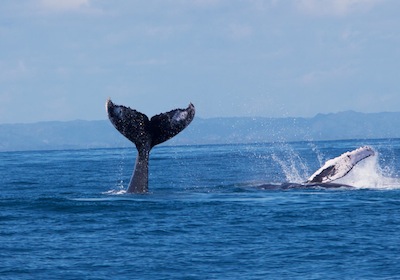 While Sublime Samana provides enough diverse activities for an enjoyable stay, short excursions are possible. There are bars and restaurants in Las Terrenas. Also available are leisurely boat trips such as those organized by Tour Samana With Terry to see the humpback whales that arrive in Samana to mate, give birth, and nurse their young. Other choices include a visit to the island of Cayo Levantado or to the Los Haitises National Park with its calcified hills, caves, mangroves, sea turtles, and a variety of bird species.
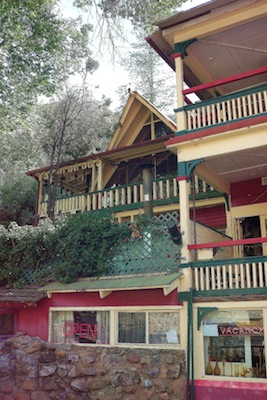 Built in 1895, this former miners’ boarding house experienced periods of activity comingled with quiet abandonment. When Rick Brown, a newly-minted U.S. citizen from New Zealand, purchased the inn in 2009, he knew it would be a labor of love. His work continues and his love for the inn shows.
 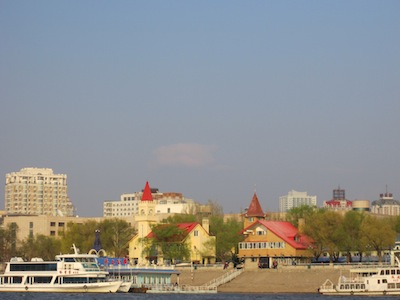 The restaurant is located about a half-mile block north of the Stalin Park Promenade (yes, they named a park after him) on the city pedestrian mall. You enter the medium-lit soft yellow dining room and encounter a subdued European bistro that you would expect to see in Rouen rather than in a garish Asian city like Harbin. Above a well-tended fireplace and mantel you will notice a large, painted, Mona Lisa-like smiling portrait of Lucia in her youth, done just about the time the original building was her family home. On an opposite wall, resplendent in Czarist uniform with too many medals and wearing a great muttonchop beard, is the Russian general who was also the founder of the Harbin Institute of Technology, today one of China’s leading universities. In addition, photos of the early 20th century Russian Orthodox and Russian Jewish communities are displayed, including those of the great 1932 Sonjiang River flood and the surprisingly efficient rescue efforts during the same. FEMA could take note of the cooperative spirit of both communities. Balalaikas, religious icons, and photos of prominent business and professional people of the era abound.